Lab-engineered and plant-based hair extensions are rapidly emerging as the beauty industry’s next major innovation—promising to deliver realism, sustainability, and safety in a space long dominated by human and petroleum-based...
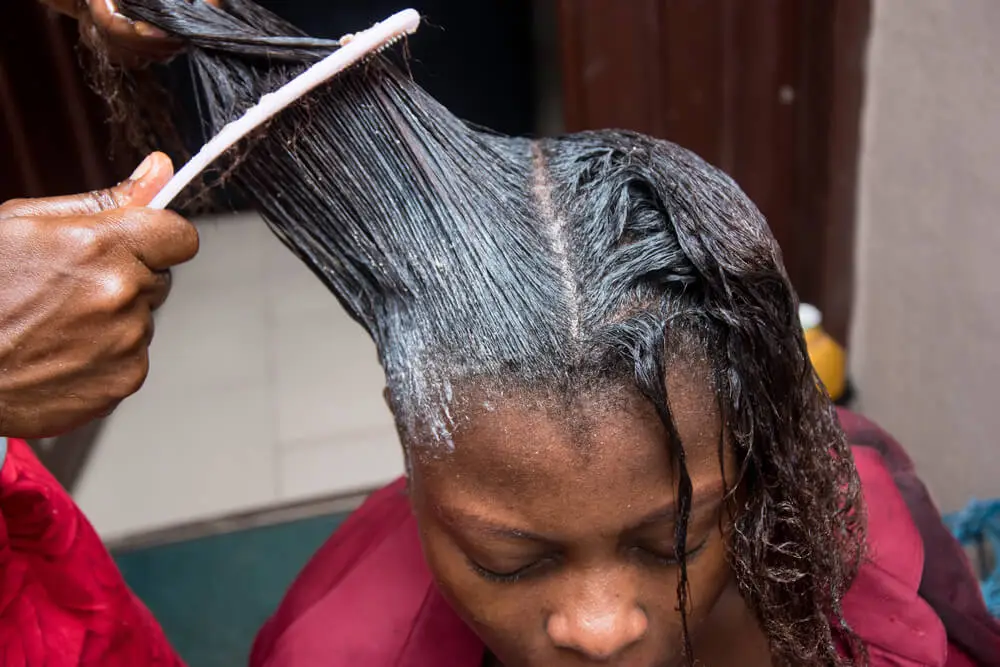
A new study suggests that chemical hair relaxers used to straighten hair may significantly increase the risk of developing multiple types of cancer—by as much as 166 percent in some cases.
Researchers have long expressed concern about formaldehyde, a known carcinogen commonly found in chemical hair-straightening and relaxing treatments, including popular products such as Keratin treatments and Brazilian blowouts.
To better understand the long-term health effects of these products, scientists from Emory University in Georgia analyzed data from more than 50,000 U.S. women as part of a major long-term health project known as the Sister Study.
The Sister Study followed women aged 35 to 74 who had no personal history of breast cancer but had at least one sister diagnosed with the disease. Enrollment ran from 2003 to 2009, with participants tracked through September 2021.
For this analysis, researchers reviewed data from 46,287 women who were followed for an average of 13 years. They examined whether participants had used chemical hair straighteners or relaxers in the 12 months before joining the study and tracked cancer diagnoses over time.
Formaldehyde, often used as a preservative in these products, can “off-gas” over time—releasing fumes, especially when heated. Repeated exposure to these fumes can cause eye and throat irritation, breathing issues, and over time, may increase the risk of head, neck, and blood cancers.
These risks are intensified when products are applied in poorly ventilated areas like small bathrooms or salons without adequate airflow.
The American Cancer Society has previously warned that formaldehyde exposure is linked to cancers of the nose, upper throat, and stomach, and may also increase the risk of leukemia.
When relaxers and straightening treatments are heated during application, formaldehyde escapes as a gas through a process called “off-gassing.” The Department of Health and Human Services lists formaldehyde as a “known carcinogen”. Repeated inhalation can cause immediate effects like eye and respiratory irritation, but the long-term concerns include increased cancer risk.
In 2022, researchers at the National Institutes of Health released a study showing that women who never used hair straighteners had a 1.64% chance of developing uterine cancer by age 70, but for frequent users, that risk increased to 4.05%.
The results were alarming. Compared to women who did not use chemical hair straighteners or relaxers:
The risks were even greater among frequent users—those who used straighteners more than four times a year. In this group, the likelihood of pancreatic cancer more than doubled, while thyroid cancer and lymphoma risks also increased, though the data was not statistically conclusive for those cancers.
Researchers also noted a possible link to kidney cancer, describing the connection as “positive but imprecise.”
If you’re considering reducing your use of formaldehyde-containing relaxers or looking for alternatives, here are options backed by research:
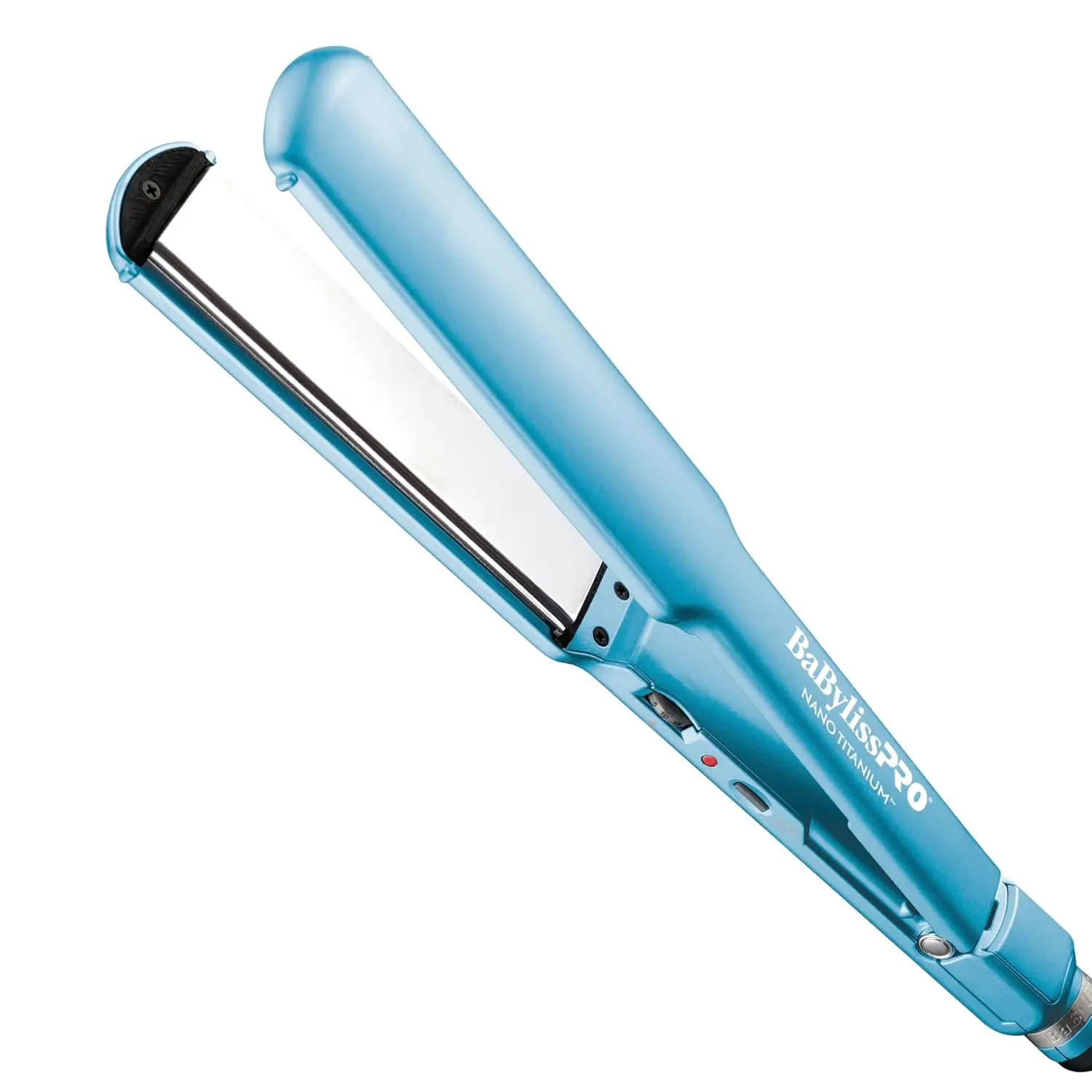
Flat irons and blow dryers offer temporary straightening without chemicals. If you want to avoid formaldehyde-containing products completely, you can opt for heat-styling options like roller sets and presses. Just remember to use heat protectant sprays to minimize damage.
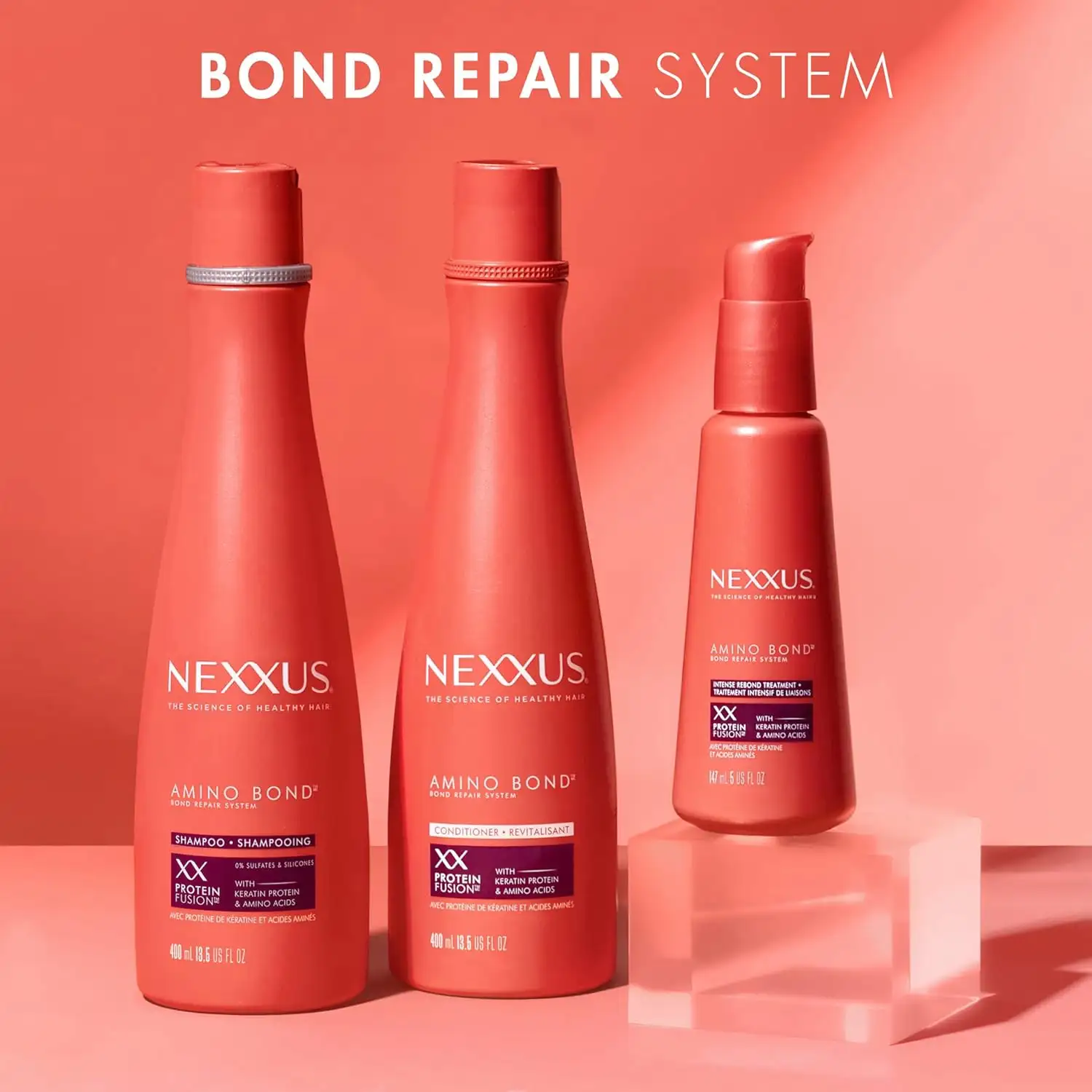
Cysteine hair treatment is a semi-permanent smoothing treatment that softens curls without using harsh chemicals by rearranging disulfide bonds in your hair using cysteine, a naturally occurring amino acid. These treatments are becoming more popular as formaldehyde-free alternatives.
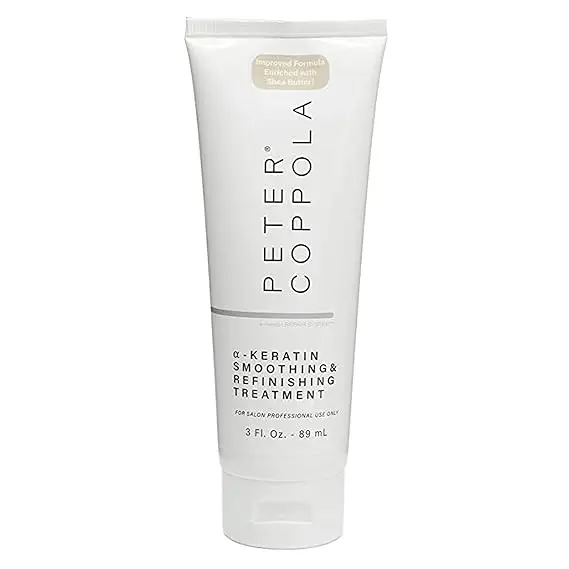
If you prefer keratin treatments, you’ll need to be careful. Some products marketed as keratin treatments still contain formaldehyde and other dangerous chemicals, so if you decide to try this option, be sure to read the labels and make sure you are actually getting what you pay for. Formaldehyde-free keratin treatment brands like Cezanne, Kerasilk, and GK Hair have been shown to give frizz-free, smooth results without the danger of formaldehyde exposure.
When considering keratin treatments, look for three key ingredients to avoid: formaldehyde, methylene glycol, and formalin. Methylene glycol is particularly deceptive because it converts to formaldehyde when heated.
Possible reactions to formaldehyde-containing products range from eye problems to headaches, dizziness, nausea, chest pain, vomiting, coughing, wheezing and throat soreness. If you experience any of these symptoms during or after a salon treatment, inform your stylist immediately.
The views expressed in this article are those of the author and do not necessarily reflect the opinions of MBHS. We may receive compensation for featured products, people, or services, which will be disclosed when applicable. MBHS and its contributors are not licensed hairstylists, barbers, or medical professionals—please consult a qualified professional or doctor before making decisions based on this content. Some material may be sourced from other websites and is credited accordingly. If you own the rights to any content displayed and wish to have it removed, please contact us.
Lab-engineered and plant-based hair extensions are rapidly emerging as the beauty industry’s next major innovation—promising to deliver realism, sustainability, and safety in a space long dominated by human and petroleum-based...
A new study suggests that chemical hair relaxers used to straighten hair may significantly increase the risk of developing multiple types of cancer—by as much as 166 percent in some...
Leave in conditioners are such a big part of my everyday natural hair life. They can take my wash day from good to great or the wrong one can take...

Lab-engineered and plant-based hair extensions are rapidly emerging as the beauty industry’s next major innovation—promising to deliver realism, sustainability, and safety in a space long dominated by human and petroleum-based synthetic hair. But the central question remains: does...
A new study suggests that chemical hair relaxers used to straighten hair may significantly increase the risk of developing multiple types of cancer—by as much as 166 percent in some cases.

Leave in conditioners are such a big part of my everyday natural hair life. They can take my wash day from good to great or the wrong one can take a good wash day to sheer madness. Outside...